
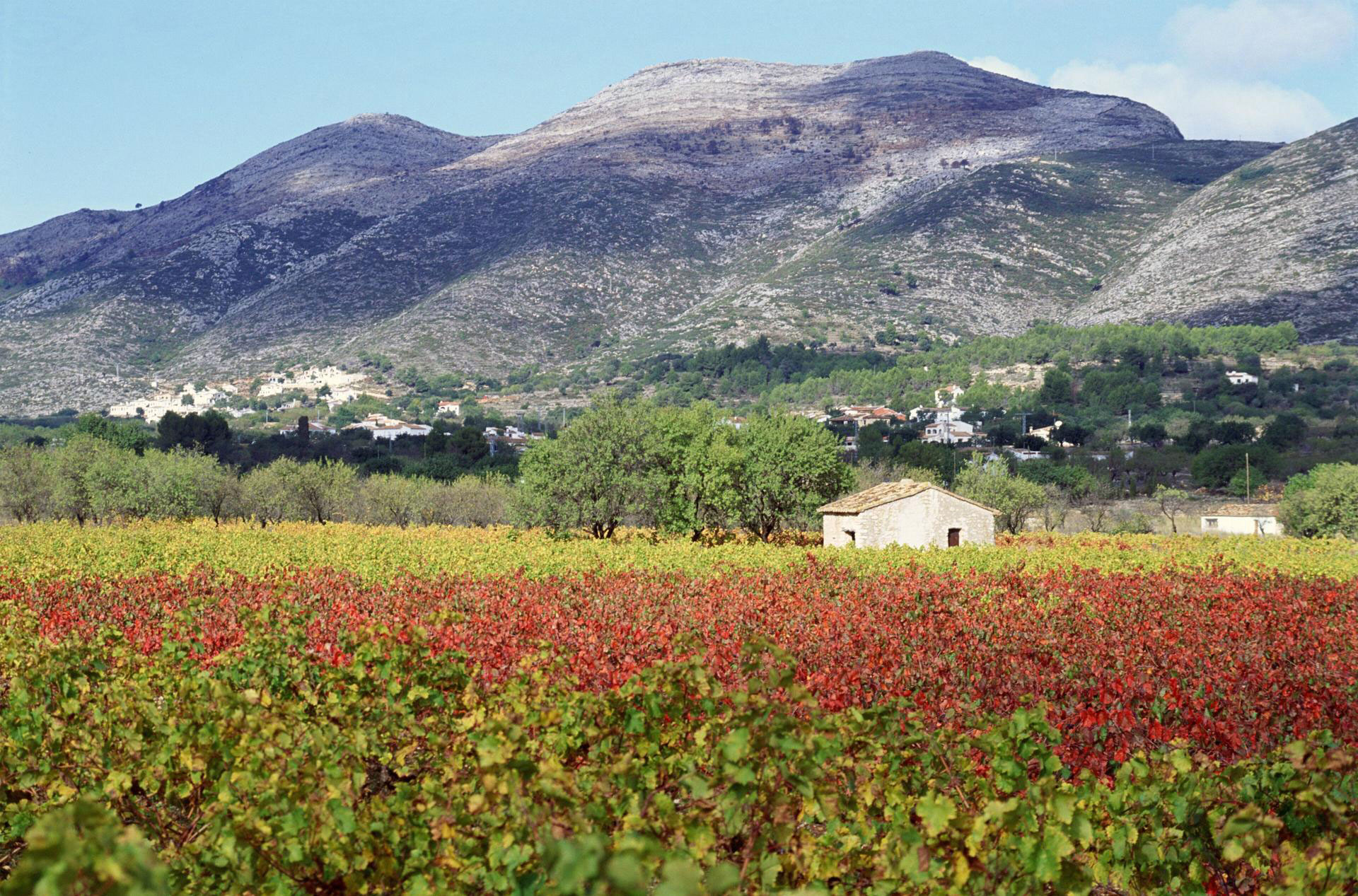
September is a lovely time to be on the Costa Blanca. The intense pace of August begins to ease, but summer is far from over, with warm sunny days, beautifully warm sea temperatures and evenings that are just starting to feel a little fresher.
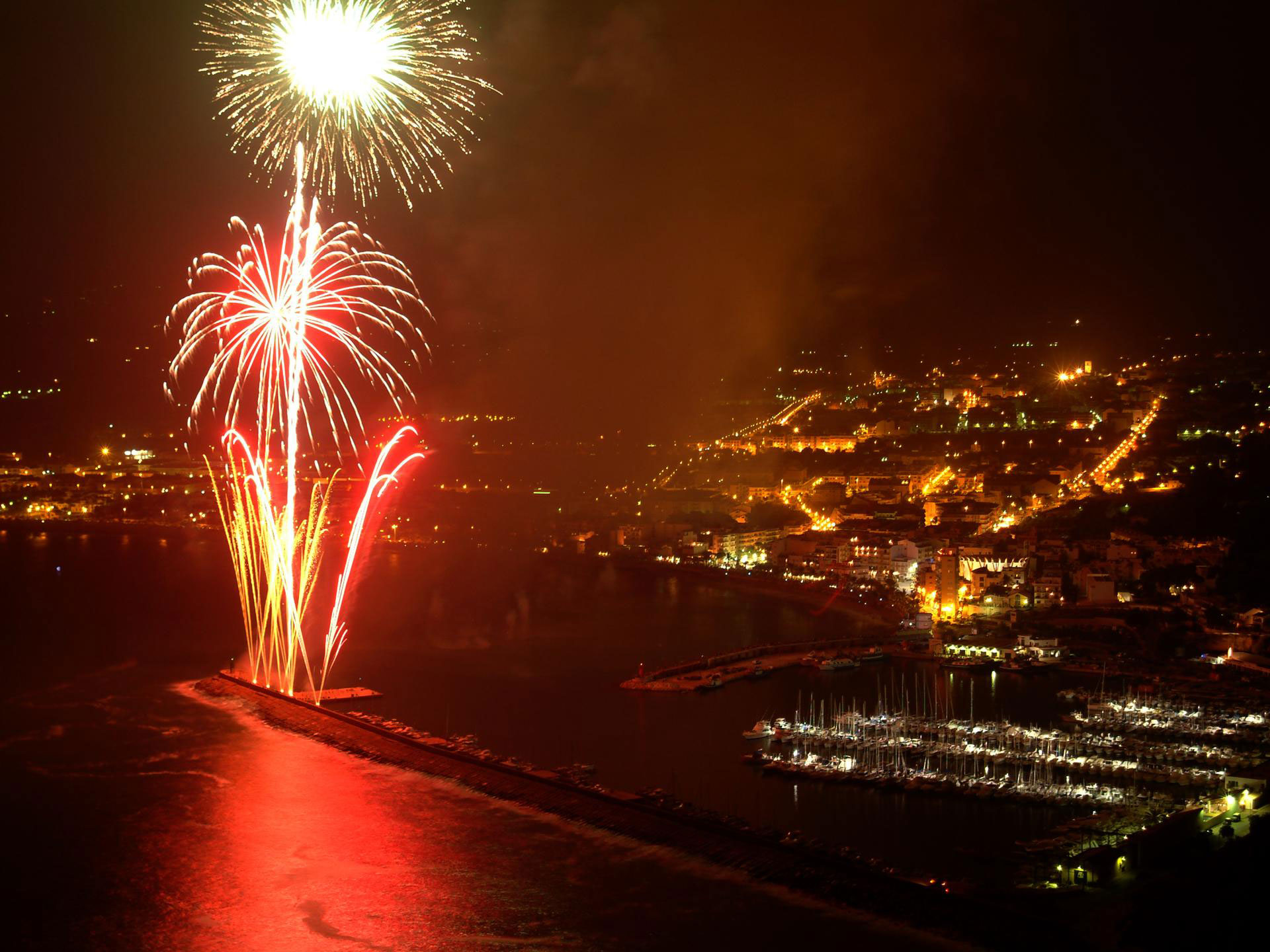
There is still plenty happening too. In Jávea, the month begins with the final week of the Mare de Déu de Loreto fiestas in the port, bringing processions, music, Bous a la Mar and celebrations before the spectacular firework finale on 8th September. Across the Costa Blanca, September continues to bring fiestas, concerts, markets and cultural events, while closer to home exhibitions and local activities offer plenty of reasons to explore beyond the beach.
It is also a wonderful month for seasonal produce. Local markets are still full of sun-ripened tomatoes, peppers and late-summer fruit, while figs, grapes and the first pomegranates begin to signal the changing season.
In this month's newsletter, we'll be sharing some of the latest news from Jávea and the Marina Alta, local events, a little Jávea history, useful tips for beachgoers and, of course, the latest property updates from VillaMia.
Whether you're here enjoying a quieter side of the Costa Blanca or following life in Jávea from further afield, we hope you enjoy our September round-up.
Happy reading!
Michelle and the VillaMia Team

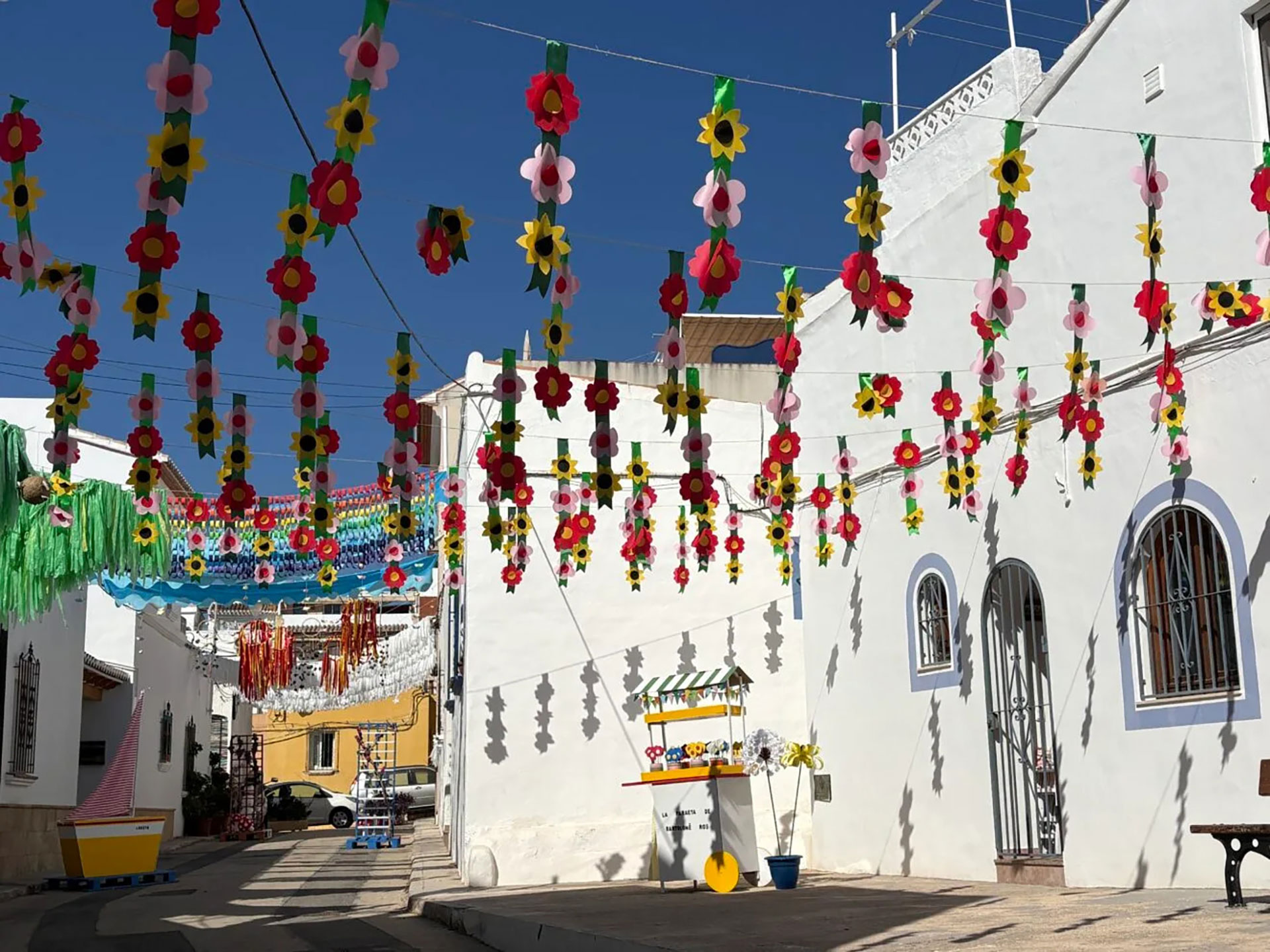
September begins with one of Jávea’s most traditional celebrations already in full swing. The Mare de Déu de Loreto Fiestas take over the Duanes de la Mar port area until 8th September, with a packed programme of music, processions, children’s activities, Bous a la Mar and community celebrations.
The biggest celebrations come on 7th and 8th September, with religious processions, live music, a midnight fire display and, for the grand finale, the spectacular aquatic firework display over the sea at 12.30 am on 8th September. We recommend booking a table in the port and having a long, lazy evening to get the best view!
It’s a wonderful opportunity to experience one of Jávea’s longest-standing traditions and the lively atmosphere of the port at the end of summer.
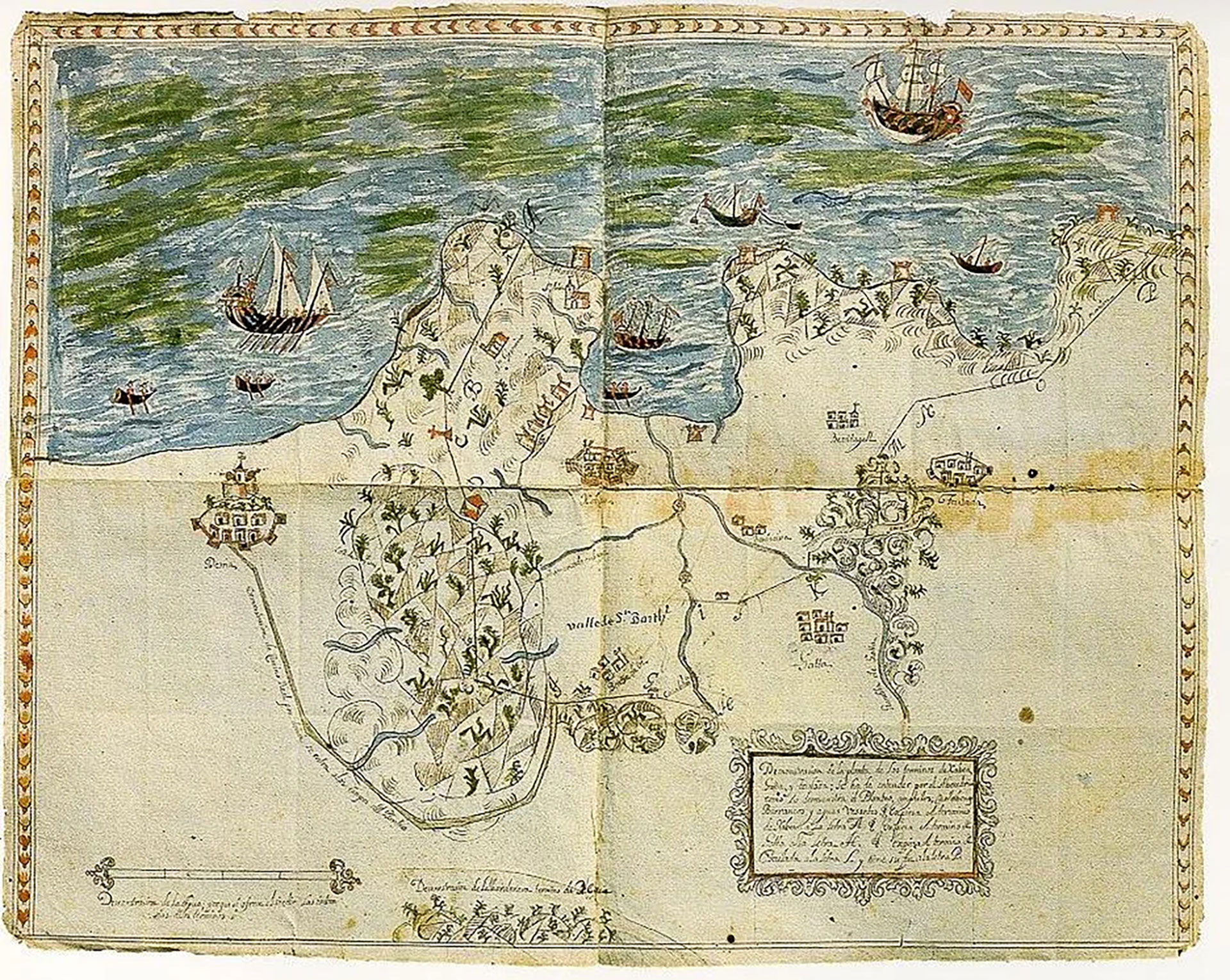
Map preserved in the Ducal Archive of Medinaceli with a proposed boundary of Xàbia prior to the partition of 1737
It may be hard to imagine today, but there was once a time when Jávea could not make many of its own decisions. During the Middle Ages, the town was largely dependent on neighbouring Dénia for matters including justice, taxation and territory. Jávea began pushing for greater control over its own affairs as early as 1321, leading to decades of disputes, including a disagreement over which town had the right to collect taxes from Benitachell.
A major turning point came in 1397, when Jávea was granted its own territory and local governing institutions, including its own Council, Justice and Juries. This meant many important decisions could finally be made locally rather than through Dénia.
It was not complete independence as we would understand it today, as Jávea still remained within the feudal system, but it marked an important step towards becoming the municipality we know today.
More than 600 years later, the borders between Jávea, Dénia and Benitatxell may seem firmly established, but their origins lie in centuries of disputes over land, power and local identity.
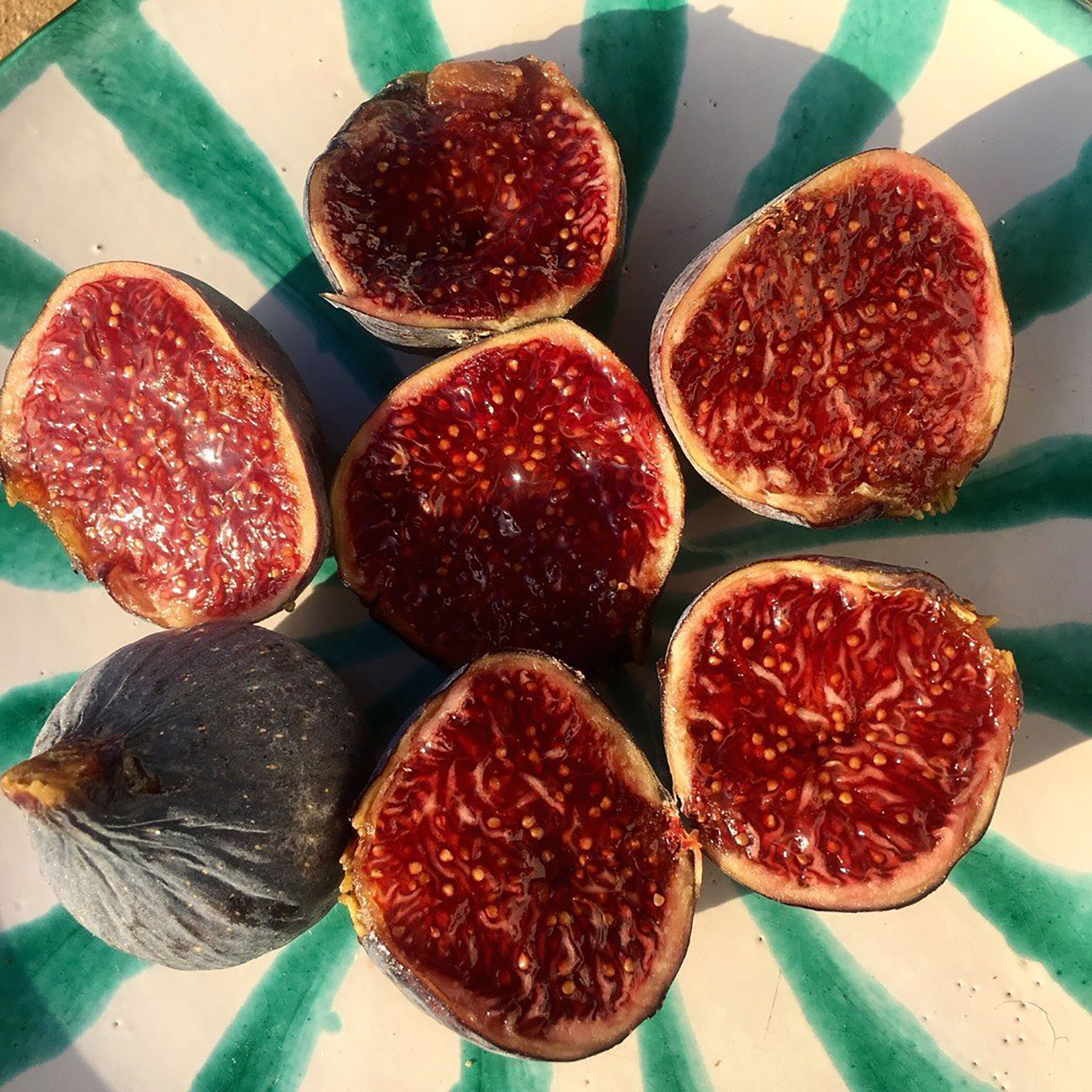
Fresh Figs! Is there anything better?
September is a brilliant month for local produce on the Costa Blanca, with summer favourites still filling the markets alongside the first signs of autumn.
Figs and grapes are at their best, including the region’s famous Muscat grapes, while pomegranates begin to appear as the month progresses. You’ll also still find plenty of ripe tomatoes, peppers, aubergines, courgettes and melons, all benefiting from the last of the intense summer sunshine.
It’s a great time to visit local markets in Jávea and across the Marina Alta, where the produce reflects that perfect September mix of late-summer colour and early-autumn flavour.
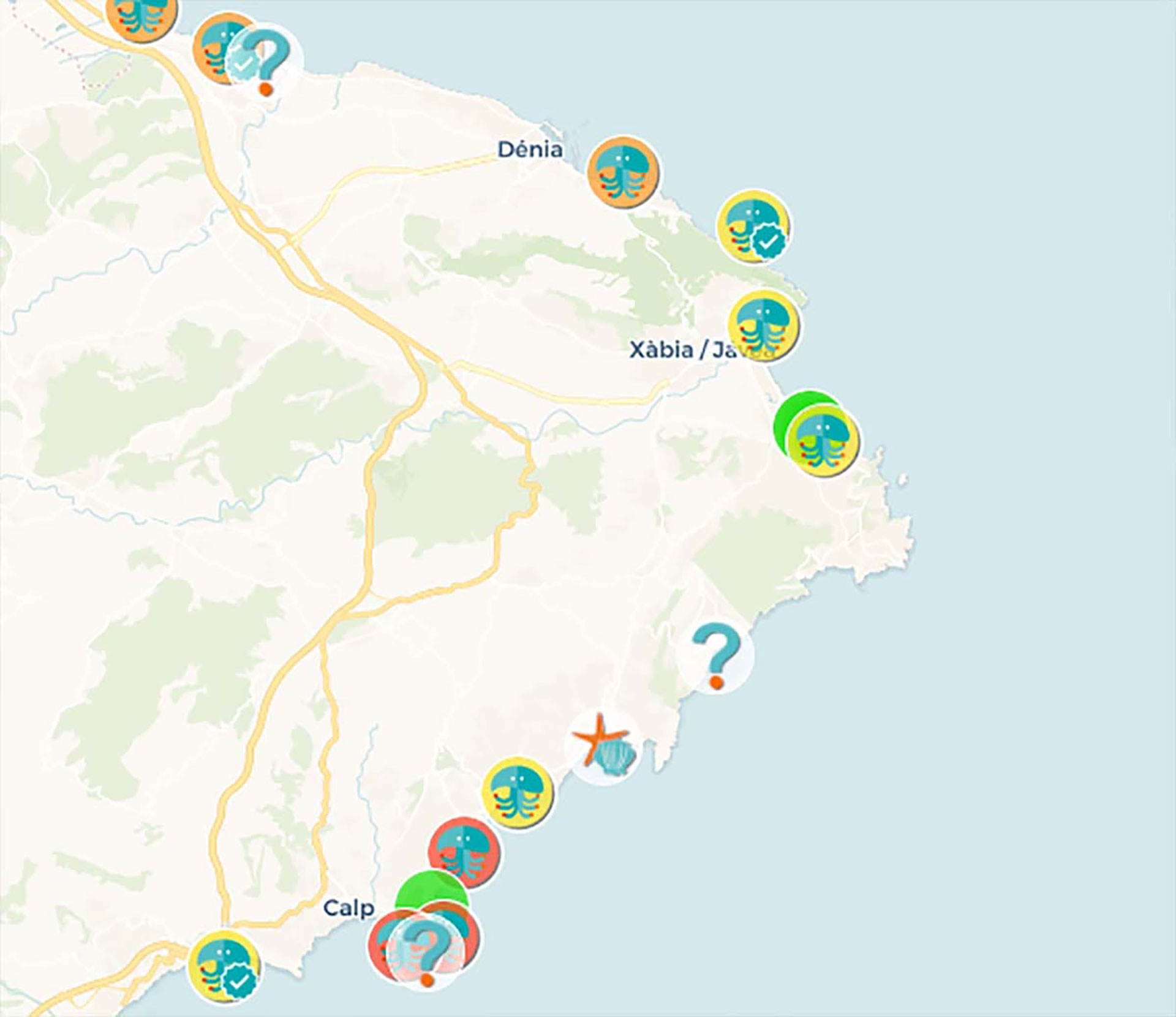
Jellyfish are a familiar concern for beachgoers along the Costa Blanca, but a free app is making it easier to check conditions before heading to the water.
MedusApp, developed by the University of Alicante and the Universitat Politècnica de València, uses reports from beachgoers to provide an almost real-time picture of jellyfish sightings at beaches in Jávea and across the Marina Alta. The app has now been downloaded more than 700,000 times and includes an interactive map showing where jellyfish have recently been spotted.
Users can also identify different species, find first-aid advice for stings and even upload a photo for AI-assisted identification. As the information is crowdsourced, it should be used alongside official beach flags and lifeguard advice.
A useful little tool to have on your phone before planning your next beach day!
Sign up for our informative and fun packed monthly newsletter! We won't share your email, and you can unsubscribe at any time.
